
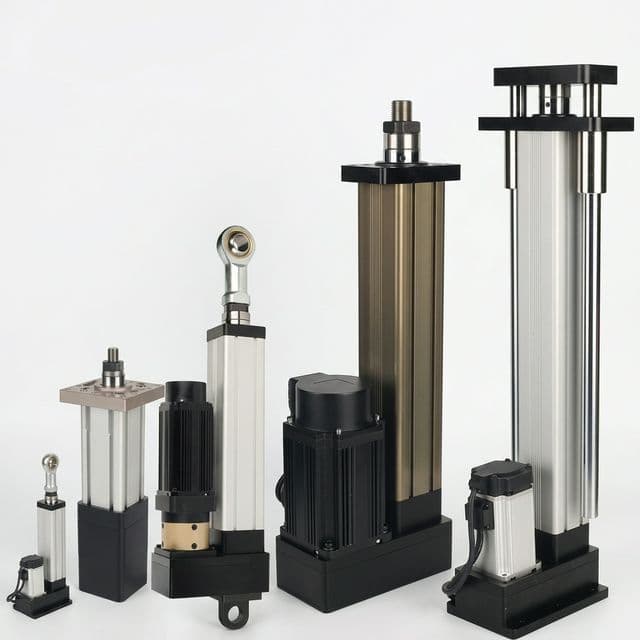
OEM Linear Actuator RFQ Checklist for Faster Quotes
A practical RFQ checklist that helps OEM teams receive accurate linear actuator quotations faster by defining force, stroke, duty cycle, environment, and validation requirements up front.
When an RFQ is vague, quoting cycles slow down and engineering rework starts early.
When an RFQ is specific, suppliers can confirm feasibility quickly and your team can compare offers on the same baseline.
This checklist is built for OEM sourcing and engineering teams that need reliable lead times and fewer technical surprises.
1. Define The Motion Target
Start with the three values that drive actuator sizing:
- required force range (continuous and peak)
- effective stroke length
- target travel speed under load
Also include movement direction, mounting orientation, and whether the load profile is constant or variable.
2. Specify Duty Cycle And Thermal Limits
Many field failures are thermal, not mechanical.
Include:
- expected duty cycle (for example, 25 percent, 50 percent, or continuous)
- ambient temperature range
- cycle frequency per hour
- rest interval between cycles
If your application is close to continuous operation, ask for thermal validation data, not only catalog values.
3. Lock Electrical Interface Early
Avoid late-stage harness changes by defining:
- input voltage (12V / 24V / 36V / AC-fed architecture)
- max current budget
- control type (switch, relay, PWM, controller)
- connector and cable length
- feedback requirement (none, hall, potentiometer, encoder)
For synchronized motion, request a controller strategy in the same RFQ.
4. Define Environment And Protection
IP rating must match real exposure, not only nominal enclosure class.
State:
- indoor or outdoor exposure
- water / dust / cleaning condition
- corrosion environment (salt, fertilizer, chemical mist)
- vibration or shock conditions
Then request the required sealing level and relevant test references.
5. Mechanical Integration Details
Provide a simple integration package:
- mounting points and bracket constraints
- installation envelope (max body and retracted/extended length)
- side-load expectations
- anti-rotation requirements
- acceptable backlash / noise level
A drawing or 3D reference usually saves at least one revision loop.
6. Quality And Validation Requirements
Define acceptance before quoting:
- incoming inspection criteria
- life-cycle target (cycles or hours)
- sampling plan for pilot and mass production
- certificate requirements (for example CE, RoHS, or customer-specific)
If your team needs PPAP-like documents, include that in the first request.
7. Commercial Scope For Better Comparison
Ask all suppliers for the same commercial structure:
- sample lead time
- pilot batch lead time
- mass production lead time
- MOQ and price break tiers
- warranty scope
This keeps quote comparison fair and speeds purchasing decisions.
Quick RFQ Template
Use this one-line format in your first email:
Force + Stroke + Speed + Duty Cycle + Voltage + IP + Mounting + Quantity + Timeline + Validation Requirements
The more complete this first line is, the faster you get a reliable answer.
Final Note
A good RFQ is not about writing more text.
It is about reducing ambiguity in the parameters that affect feasibility, cost, and lead time.
If you want, we can also publish a downloadable RFQ form version of this checklist in a follow-up post.
Author

More Posts
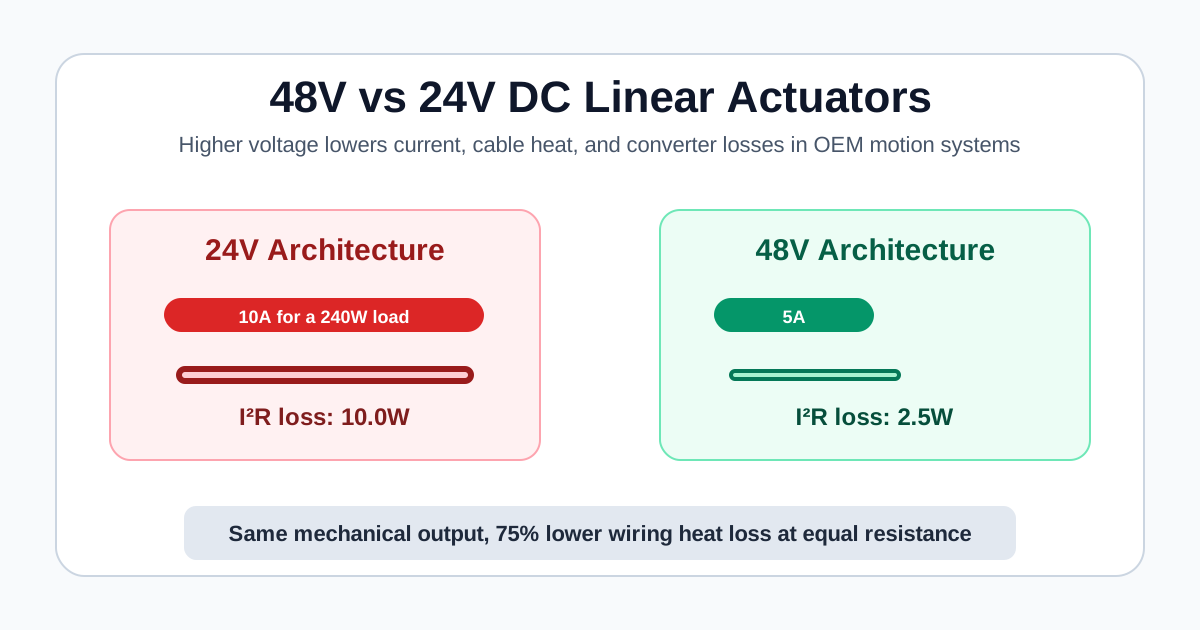
48V vs 24V DC Linear Actuators: Why OEMs Are Shifting to Higher Voltage Architectures
A comprehensive engineering and procurement guide comparing 48V and 24V DC linear actuators. Learn how 48V architectures reduce I²R heat losses, save copper costs, and improve duty cycles in AGVs, AMRs, and industrial automation.
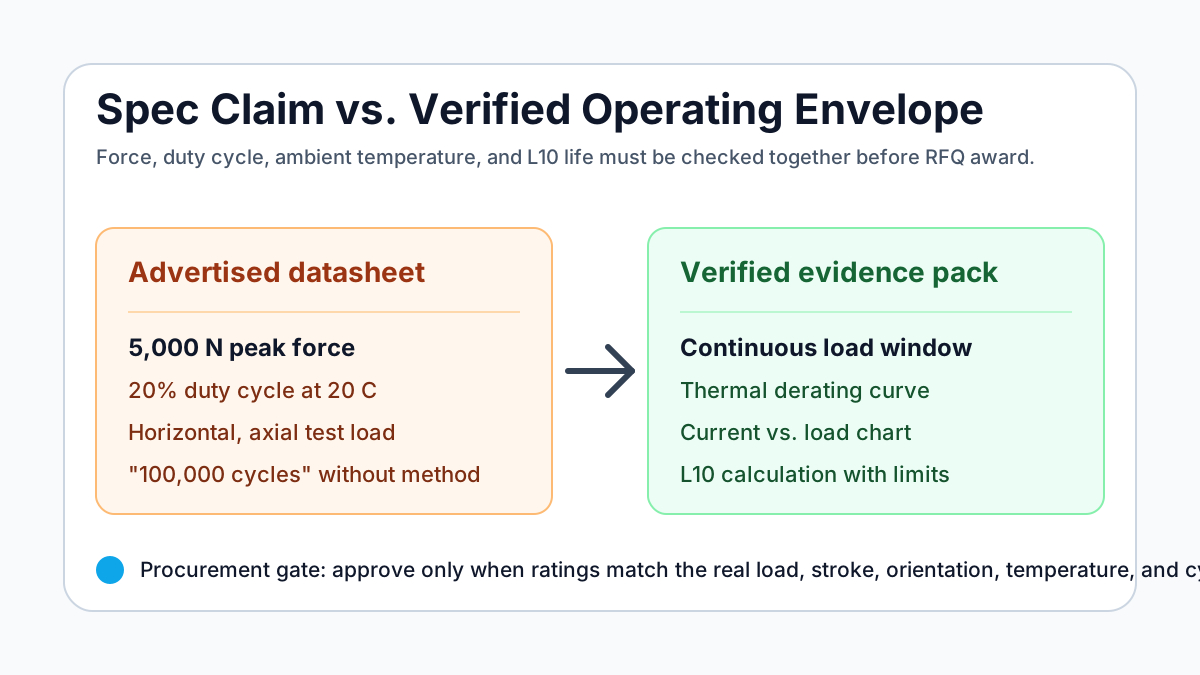
Linear Actuator Spec Inflation: A Procurement Guide to Verifying Force, Duty Cycle, and Lifespan Ratings
Verify linear actuator force, duty cycle, and L10 life claims before RFQ award. Use supplier evidence checks to avoid inflated specs and early failures.
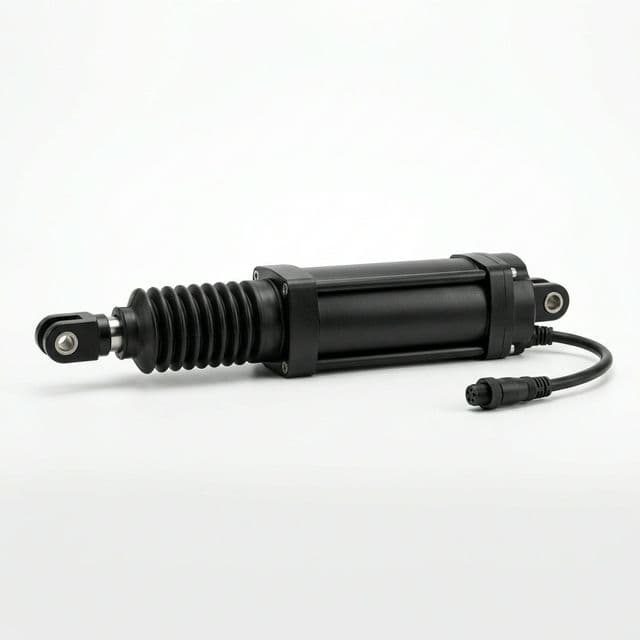
Linear Actuator Market Update (2026-W27): Proclamation 11032 Shifts Section 232 Tariff Thresholds and RFQ Sourcing Strategies
Week 27 brief for custom linear actuator buyers: Proclamation 11032 lowers the U.S.-origin metal threshold to 85%; update RFQs and HTS evidence before award.